
en

 English
INQUIRY US
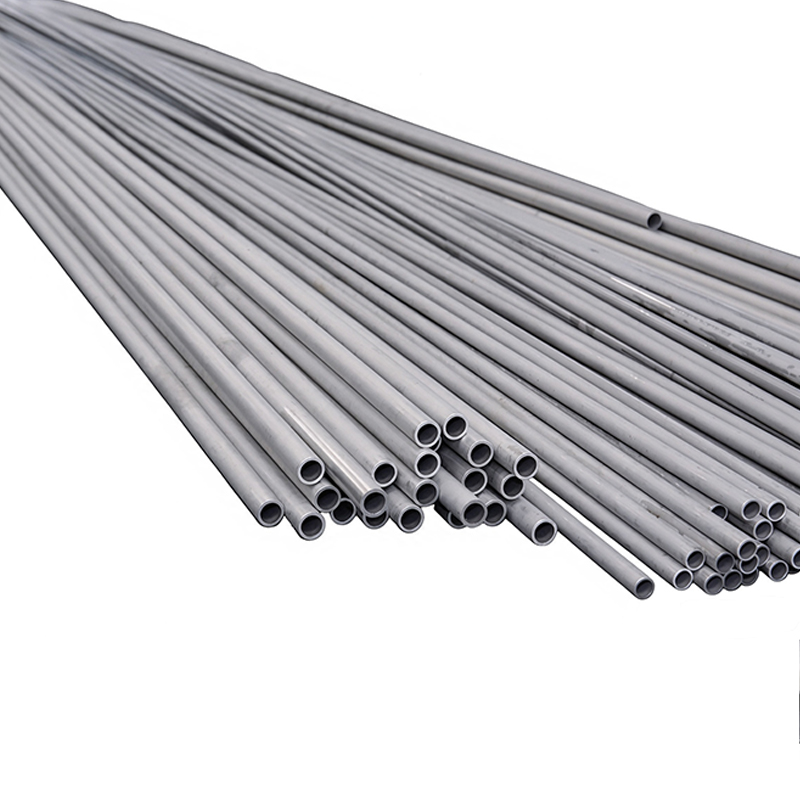
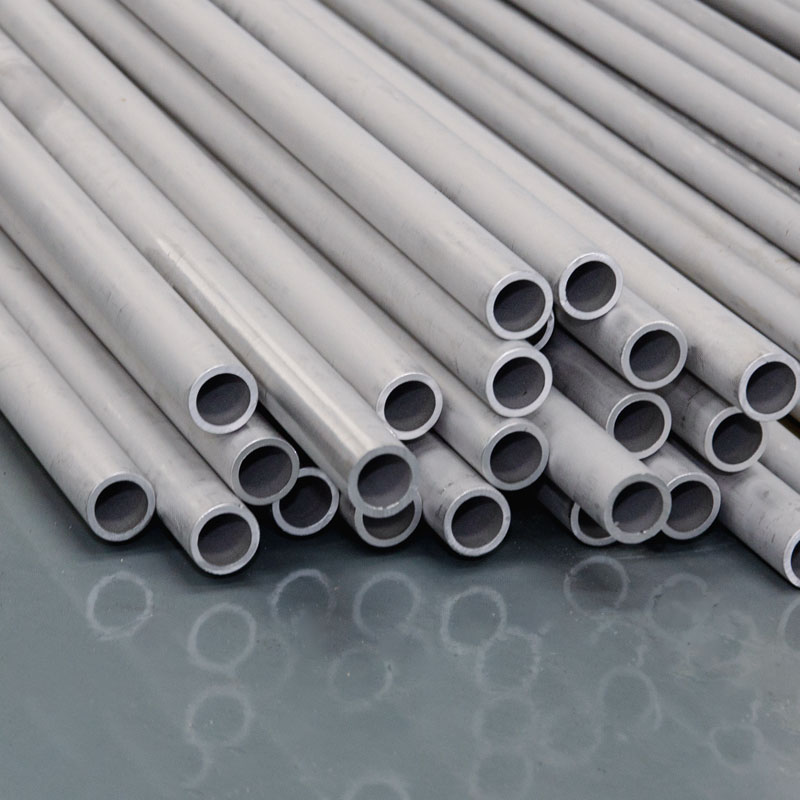
A second-generation duplex stainless steel composed of approximately 50% ferrite and 50% austenite. By tightening the lower limits of core elements such as chromium, molybdenum, and nitrogen, the resistance to pitting corrosion and processing stability have been improved.
Performance
Mechanical properties: Yield strength ≥ 450 MPa, tensile strength ≥ 620 MPa, and its yield strength is about twice that of 304/316L austenitic stainless steel.
Corrosion resistance: The resistance to pitting corrosion equivalent (PREN) is usually between 34-38. In environments containing chloride ions such as seawater and salt spray, the ability to resist pitting corrosion, crevice corrosion, and stress corrosion cracking (SCC) is significantly better than 316L stainless steel.
Physics and processing: The density is about 7.8 g/cm ³, and the applicable temperature is generally -50 ℃ to 250 ℃ (up to 300 ℃ in a short time). Cold forming has a large rebound, and welding requires strict control of heat input and interlayer temperature to avoid the precipitation of brittle phases.
Applications
Extreme Corrosion Resistance: Designed for extremely harsh working conditions such as high concentration chlorides and high temperature acidity, its resistance to pitting and crevice corrosion is several times that of 316L.
Deep sea and high-pressure adaptation: It combines ultra-high strength and excellent toughness, and is widely used in key components such as deep-sea oil production risers, seawater desalination high-pressure pumps, and high salt chemical reactors that require a lifespan of over 20 years.
Please feel free to leave a message and we will reply to you soon.

+86-13906657346
+86-0563-8177666
bobby.ying@yssteelpipe.com
